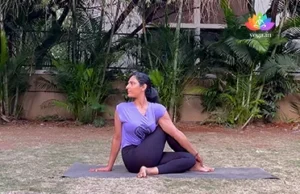
Matsyendrasana (Lord of the Fishes Pose)
The name Matsyendrasana is derived from the Sanskrit words Matsya (मत्स्य) meaning fish, Indra (इन्द्र) meaning…
Explore →
Gentle yoga poses that ease pain down the leg and support the lower back, alongside your doctor's advice.
Browse All Poses
The name Matsyendrasana is derived from the Sanskrit words Matsya (मत्स्य) meaning fish, Indra (इन्द्र) meaning…
Explore →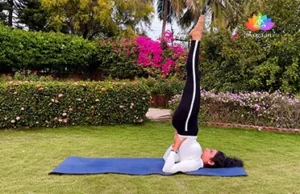
The Sanskrit name is derived from Sarva (सर्वाङ्ग) meaning all, Anga meaning body part and āsana…
Explore →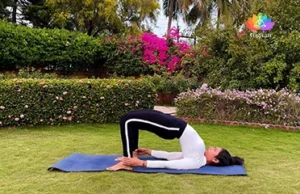
The Sanskrit name is derived from Setu (सेतु) meaning bridge, Bandha ( बन्धा) meaning lock and…
Explore →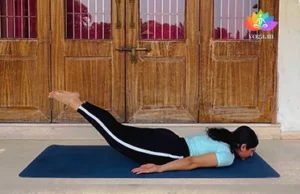
The Sanskrit name is derived from Shalabha (शलभा) meaning locust and āsana (आसन) meaning "posture" or…
Explore →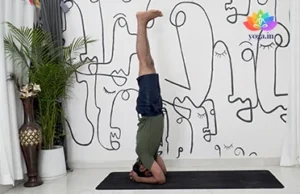
The Sanskrit name is derived from Sirsa (शीर्ष) meaning head and asana (आसन) meaning posture or…
Explore →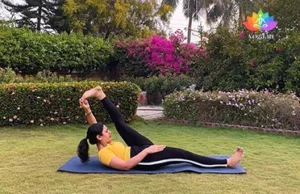
The Sanskrit name is derived from Supta (सुप्त) meaning 'supine or recline', 'pada' meaning foot', 'Angustha'meaning…
Explore →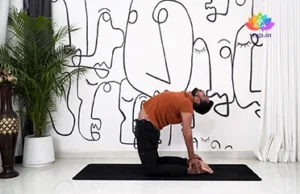
The Sanskrit name is derived from Ushtra (उष्ट्रासनI) meaning camel and Asana (आसन) meaning a pose.
Explore →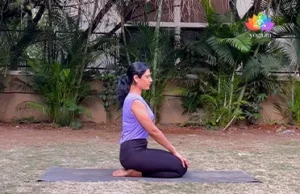
The sanskrit term Vajra (वज्र) meaning thunderbolt and asana (आसन) meaning posture or seat.
Explore →Yoga poses for sciatic nerve pain are gentle moves that may ease pressure on the nerve and relax tight hips and back muscles. They build core and leg support. This page lists safe poses by level, practice tips and warning signs. It does not replace medical care.
Understanding the Category
The sciatic nerve runs from the lower back through the hips and down each leg. Pressure on it can cause pain, tingling or weakness in the leg. These poses lengthen tight hip and leg muscles and strengthen the core.Ease: Supta Padangusthasana and Viparita Karani relax the leg and back without load.Support: Setubandhasana and Bhujangasana wake the back and glutes gently.Stand: Tadasana and Virabhadrasana II build steady legs and a stable core.Sequence: start lying down. Add standing poses when the leg feels calm.
Why Practice
Suitability
Contraindications
By Level
By Level
By Level
Anatomy
Practice Tips
Common Questions
Yes, gentle yoga can help many people with mild sciatica. It eases tight hip and back muscles and builds core support. Stay within pain free limits and check with your doctor first.
Supta Padangusthasana with a strap, Viparita Karani, Makarasana and Setubandhasana are gentle and load the back very little. Add Tadasana and Virabhadrasana II when you feel stable.
Avoid deep forward folds with straight knees, forced twists and deep backbends. They can pinch the nerve. Skip any pose that sends pain down the leg.
Hold each pose for 15 to 30 seconds. Keep your breath smooth. Rest between poses and stop if the leg pain, numbness or tingling grows.
Practice 10 to 20 minutes, most days. Short, gentle sessions work better than long ones. Add walking and avoid long periods of sitting.
Get urgent help for numbness around the bottom, bladder or bowel trouble, or loss of feeling or strength in a leg. See a doctor if leg pain lasts several weeks. Yoga does not replace care.
Please login with social account to support this post.