YOGA.IN | ASANAS | AILMENT

Yoga Poses for Respiratory Irritation: Benefits, Pose List & Practice Guide

Gentle yoga poses that open the chest and soothe irritated airways, alongside your doctor's advice.

12 Poses Covered 3 Skill Levels Safe Practice Tips Included FAQs Answered

Browse All Poses

List of Respiratory Irritation

See by level ↓
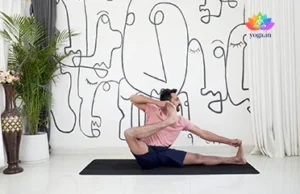
Akarna Dhanurasana (Archer Pose)

Akarna Dhanurasana (Archer Pose)

The Sanskrit name is derived from Akarna (अकर्णा ) meaning towards the ear, Dhanura (धनुर) meaning…

Explore →
Anantasana (Sleeping Vishnu Pose)

Anantasana (Sleeping Vishnu Pose)

The Sanskrit name is derived from Ananta (अनन्त) meaning without end or the infinite one and…

Explore →
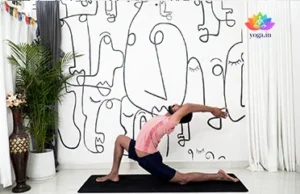
Anjaneyasana (Crescent Moon Pose)

Anjaneyasana (Crescent Moon Pose)

The Sanskrit name is derived from Anjane (आंजने) meaning Hanuman, the son of Anjani and asana…

Explore →
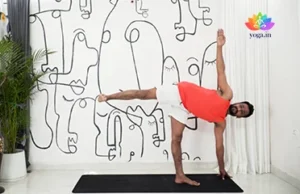
Ardha Chandrasana (Half Moon Pose)

Ardha Chandrasana (Half Moon Pose)

The Sanskrit name is derived from Ardha (अर्ध) meaning half, Chandra (चन्द्र) meaning moon and asana…

Explore →
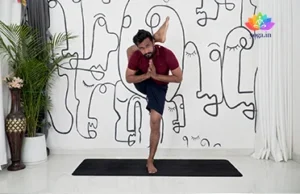
Durvasasana (Sage Durvasa’s Pose)

Durvasasana (Sage Durvasa’s Pose)

The Sanskrit name is derived from the word Durva (दुर्वा) which is the name of a…

Explore →
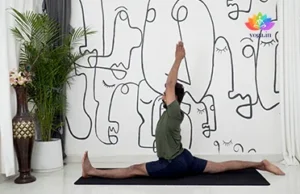
Hanumanasana (Monkey Pose)

Hanumanasana (Monkey Pose)

The Sanskrit name is derived from the Hindu God -Hanuman (हनुमान) (monkey-god) and asana (आसन) meaning…

Explore →
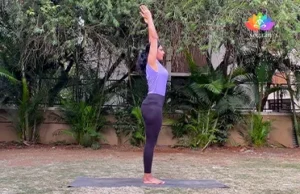
Hastapadasana (Hand to Foot Pose)

Hastapadasana (Hand to Foot Pose)

The sanskrit name is derived from hasta (हस्त) means hands, pada (पदा) means foot and asana…

Explore →
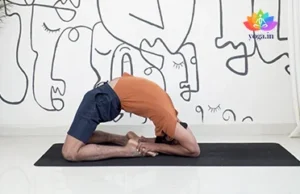
Kapotasana

Kapotasana (कपोतासन)

Kapotasana

The Sanskrit name is derived from Kapota (कपोटा) meaning pigeon or dove and asana (आसन) meaning…

Explore →

Yoga poses for respiratory irritation are gentle moves that open the chest and ease breathing when dust, smoke or allergy irritate the airways. They do not treat the cause. This page lists safe poses by level, practice tips and warning signs. It does not replace medical care.

Understanding the Category

What Are Respiratory Irritation?

Respiratory irritation means a scratchy throat, cough or tight chest from dust, smoke, pollution or allergy. These poses open the chest, relax the breathing muscles and teach slow, calm breathing. They do not remove the cause.Open: Matsyasana and Bhujangasana lift and open the chest.Rest: Supta Baddha Konasana and Savasana calm the body and breath.Stand: Tadasana and Trikonasana build an upright stance and steady breathing.Sequence: start with rest poses. Add standing poses when your breathing feels easy.

Why Practice

Benefits of Respiratory Irritation

🫁
Easier Breathing Open chest poses give the ribs more room. Slow breaths feel less tiring.
🫁
Chest Opening Gentle stretches free tight chest muscles. An open chest moves air with less effort.
🫁
Calmer Airways Slow nose breathing is gentle on the throat. Calm breaths may ease the urge to cough.
🧍
Posture Tall poses train a long, open upper body. Good posture helps each breath.
😌
Relaxation Slow breathing calms the body and mind. A calm body breathes more easily.
🚶
Gentle Stamina Short, slow poses build steady energy. Steady practice restores daily strength.

Suitability

Who Should Practice?

  • People with a mild cough from dust or smoke
  • Adults with mild allergy related chest tightness
  • People who live or work in dusty or polluted areas
  • Beginners who want slow, gentle poses
  • Anyone who wants easier, calmer breathing

Contraindications

Who Should Avoid Respiratory Irritation?

  • Sudden or severe breathlessness: get urgent care
  • Chest pain, fainting or blue lips: get emergency help
  • Fever with a worsening cough: see a doctor
  • Uncontrolled asthma or a recent flare
  • Practicing in smoky, dusty or polluted air
  • Deep backbends and long breath holds
  • Inversions such as Headstand and Shoulderstand
  • Hot yoga and fast, strong sequences

By Level

Beginner Respiratory Irritation

By Level

Intermediate Respiratory Irritation

By Level

Advanced Respiratory Irritation

Anatomy

Muscles Worked

🫁
Breathing Muscles Diaphragm, intercostals
💪
Chest Pectoralis major, pectoralis minor
🧍
Upper Back Rhomboids, lower trapezius
🦴
Spine Erector spinae, multifidus
🧘
Core Transversus abdominis, rectus abdominis
🙆
Neck and Shoulders Scalenes, sternocleidomastoid

Practice Tips

Tips for Safe Practice

  • ✓Practice in a clean, well aired, dust free space
  • ✓Check with your doctor if the cough lasts
  • ✓Keep your reliever inhaler within reach
  • ✓Breathe through the nose when you can
  • ✓Keep each exhale longer than the inhale
  • ✓Hold each pose for 5 to 10 slow breaths
  • ✓Sip warm water before you start
  • ✓Stop if you cough hard or your breath feels tight

Common Questions

Frequently Asked Questions

Can yoga help respiratory irritation?

Gentle yoga may ease chest tightness and teach slow, calm breathing. It does not remove the cause, such as dust or smoke. Check with your doctor if irritation lasts.

Is yoga safe with asthma or allergies?

Many people with asthma or allergies practice gentle yoga, but ask your doctor first. Keep your reliever inhaler close. Avoid dusty rooms and stop if symptoms rise.

Which poses are best for respiratory irritation?

Sukhasana, Tadasana, Supta Baddha Konasana and Savasana open the chest without strain. Add Bhujangasana and Matsyasana with support when your breathing stays calm.

Which poses should I avoid?

Avoid deep backbends, long breath holds, hot yoga and inversions. Do not practice in smoky or dusty air. Stop if you cough hard or feel dizzy.

How often should I practice?

Practice 10 to 15 minutes, once or twice a day. Short, gentle sessions work best. Rest often and keep the breath slow.

When should I get urgent help?

Get urgent help for sudden breathlessness, chest pain, fainting or blue lips. See a doctor if a cough or throat irritation lasts several weeks. Yoga does not replace care.

✕

Login to Like

Please login with social account to support this post.

[nextend_social_login]

Find Your Videos

Choose a category