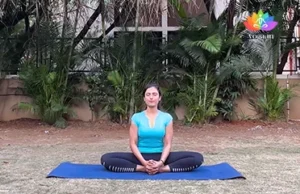
Bhadrasana (Gracious Pose | Butterfly Pose)
The Sanskrit name is derived from Bhadra (भद्रा) meaning gracious, auspicious or blessed and āsana (आसन)…
Explore →
Gentle yoga poses that ease neck and shoulder tension behind headaches, alongside your doctor's advice.
Browse All Poses
The Sanskrit name is derived from Bhadra (भद्रा) meaning gracious, auspicious or blessed and āsana (आसन)…
Explore →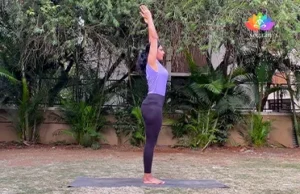
The sanskrit name is derived from hasta (हस्त) means hands, pada (पदा) means foot and asana…
Explore →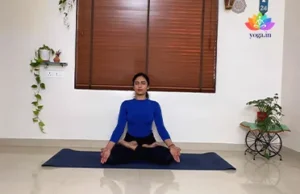
The Sanskrit name is derived from Padma (पद्मा) meaning lotus and āsana (आसन) meaning "posture" or…
Explore →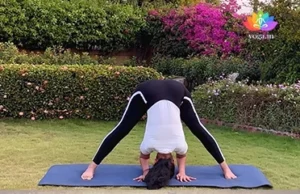
The Sanskrit name is derived from Prasārita (प्रसारित) meaning spread out or extended, Pada (पाद) meaning…
Explore →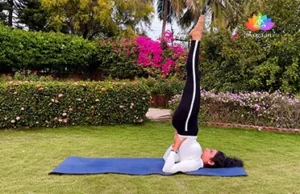
The Sanskrit name is derived from Sarva (सर्वाङ्ग) meaning all, Anga meaning body part and āsana…
Explore →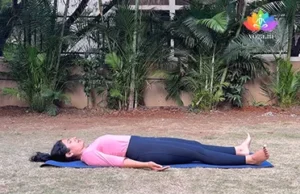
The Sanskrit name is derived from Śhava (शव) meaning "corpse" and āsana (आसन) meaning "posture" or…
Explore →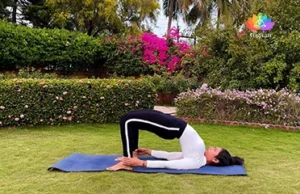
The Sanskrit name is derived from Setu (सेतु) meaning bridge, Bandha ( बन्धा) meaning lock and…
Explore →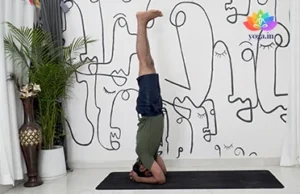
The Sanskrit name is derived from Sirsa (शीर्ष) meaning head and asana (आसन) meaning posture or…
Explore →Yoga poses for recurrent headaches and migraine are gentle moves that ease neck, shoulder and face tension. They may help calm triggers such as stress. They do not treat migraine. This page lists safe poses by level, practice tips and warning signs. It does not replace medical care.
Understanding the Category
Recurrent headaches and migraine often come with a tight neck, tense shoulders and stress. Poses cannot stop a migraine attack. These poses relax the neck, face and shoulders and slow the breath. They work best between attacks.Rest: Savasana and Supta Baddha Konasana calm the body and breath.Release: Marjariasana and Setubandhasana ease the neck and upper back.Stand: Tadasana and Virabhadrasana II train an even, upright stance.Sequence: practice between attacks. Start lying down, then add standing poses.
Why Practice
Suitability
Contraindications
By Level
By Level
By Level
Anatomy
Practice Tips
Common Questions
Yes, gentle yoga may ease tension headaches by relaxing the neck and shoulders and lowering stress. It does not replace treatment. Check with your doctor, especially for frequent headaches.
Yoga cannot stop an attack. Regular practice between attacks may help lower stress and neck tension, which can be triggers. Rest in a dark, quiet room during an attack.
Savasana, Supta Baddha Konasana, Viparita Karani and Sukhasana relax the body and slow the breath. Add Marjariasana and Setubandhasana when you feel steady.
Avoid inversions, strong neck rolls, hot yoga and breath holds. Do not practice during an attack. Stop at once if a headache starts or grows.
Practice 10 to 15 minutes, once a day if you can. Short, regular sessions work best. Keep the room quiet and cool.
Get urgent help for a sudden, severe headache, or a headache with fever, stiff neck, confusion or weakness. See a doctor if headaches are new or getting worse. Yoga does not replace care.
Please login with social account to support this post.