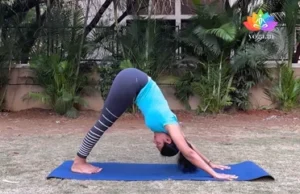
Adho Mukha Svanasana (Downward-Facing Dog Pose)
The sanskrit name is derived from adhas (अधस्) meaning down, mukha (मुख) meaning face, śvāna (श्वान) meaning dog and āsana…
Explore →
Gentle yoga poses that ease heel and arch pain and stretch the calves, alongside your doctor's advice.
Browse All Poses
The sanskrit name is derived from adhas (अधस्) meaning down, mukha (मुख) meaning face, śvāna (श्वान) meaning dog and āsana…
Explore →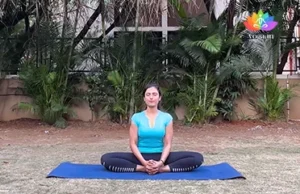
The Sanskrit name is derived from Bhadra (भद्रा) meaning gracious, auspicious or blessed and āsana (आसन)…
Explore →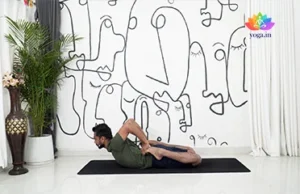
The Sanskrit name is derived from Bheka (भेका) meaning frog and asana (आसन) meaning posture or…
Explore →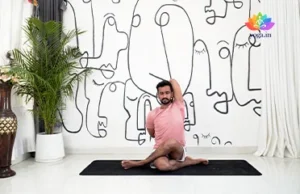
The Sanskrit name is derived from Gau (गो) meaning cow, Mukh meaning face and asana (आसन)…
Explore →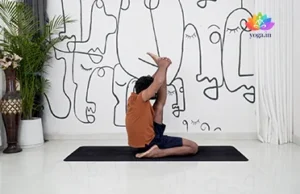
The Sanskrit name is derived from Kraunch (क्रौञ्च) meaning heron or the name of a mountain…
Explore →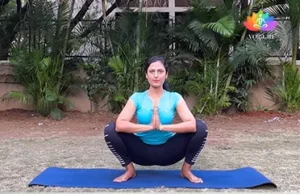
The Sanskrit name is derived from Mala (माला) means garland or rosary and āsana (आसन) meaning…
Explore →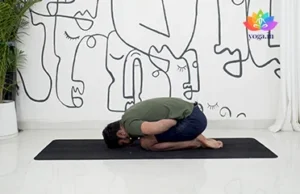
The Sanskrit name is derived from Manduka (मण्डुका) meaning frog and asana (आसन) meaning posture or…
Explore →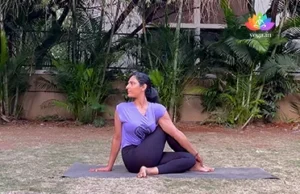
The name Matsyendrasana is derived from the Sanskrit words Matsya (मत्स्य) meaning fish, Indra (इन्द्र) meaning…
Explore →Yoga poses for plantar fasciitis are gentle moves that stretch the calves and feet and ease heel and arch pain. They build foot strength and support. This page lists safe poses by level, practice tips and warning signs. It does not replace medical care.
Understanding the Category
Plantar fasciitis is pain in the thick band of tissue under the foot, often felt at the heel. Tight calves and weak foot muscles add to it. These poses stretch the calves and the sole and build foot strength.Stretch: Adho Mukha Svanasana and Uttanasana lengthen the calves and hamstrings.Support: Supta Padangusthasana and Viparita Karani unload the feet.Stand: Tadasana and Virabhadrasana I train even, strong feet.Sequence: start lying down. Add standing poses when your heel feels steady.
Why Practice
Suitability
Contraindications
By Level
By Level
By Level
Anatomy
Practice Tips
Common Questions
Yes, gentle yoga can help. It stretches the calves and the sole and builds foot strength. Stay within pain free limits and check with your doctor first.
Yoga cannot cure it, but it may ease strain on the heel. Most cases improve with rest, stretching and good footwear. See a doctor if pain lasts.
Adho Mukha Svanasana, Supta Padangusthasana, Viparita Karani and Tadasana are good starting points. Add Uttanasana with bent knees when your heel feels steady.
Avoid high impact moves, heavy pressure on a sore heel and forced toe stretches. Skip any pose that sharpens the pain. Stop at once if swelling or numbness starts.
Practice 10 to 15 minutes, once or twice a day. Gentle calf and foot stretches work best when done often. Rest if the heel feels sore afterward.
See a doctor for sharp heel pain, swelling, bruising, numbness or pain that lasts several weeks. Get help if pain follows an injury. Yoga does not replace care.
Please login with social account to support this post.