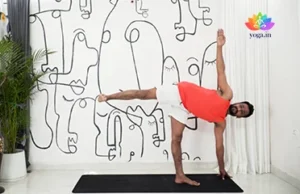
Ardha Chandrasana (Half Moon Pose)
The Sanskrit name is derived from Ardha (अर्ध) meaning half, Chandra (चन्द्र) meaning moon and asana…
Explore →
Gentle yoga poses that ease stiff joints and tight muscles, alongside your doctor's advice.
Browse All Poses
The Sanskrit name is derived from Ardha (अर्ध) meaning half, Chandra (चन्द्र) meaning moon and asana…
Explore →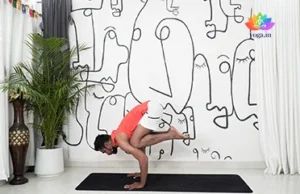
The Sanskrit name is derived from Baka (बक) meaning crane or Kaka (काक) meaning crow and…
Explore →
The Sanskrit name is derived from Bhardvaja (भरद्वाज) means bringing about nourishment and asana (आसन) meaning…
Explore →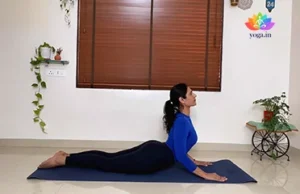
भुजङ्गासन
The Sanskrit name is derived from Bhujanga (भुजंगा) meaning cobra or snake and āsana (आसन) meaning…
Explore →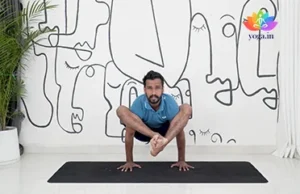
The Sanskrit name is derived from Bhuja (भुज) meaning arm/shoulder, Pida (पीडा) meaning pain and pressure…
Explore →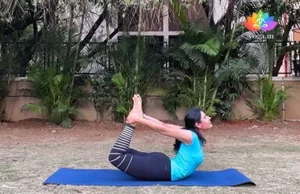
धनुरासन
Dhanurasana — Bow Pose — is a foundational prone backbend in which the practitioner lies face-down,…
Explore →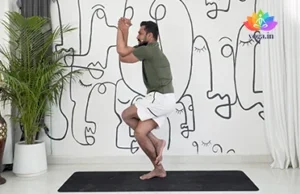
The Sanskrit name is derived from Garuda (गरुडा) meaning eagle and asana (आसन) meaning posture or…
Explore →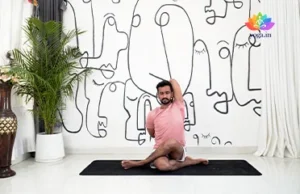
The Sanskrit name is derived from Gau (गो) meaning cow, Mukh meaning face and asana (आसन)…
Explore →Yoga poses for musculoskeletal discomfort are gentle moves that may ease stiffness and swelling in joints, ligaments and muscles. They build support and keep you moving. This page lists safe poses by level, practice tips and warning signs. It does not replace medical care.
Understanding the Category
The musculoskeletal system includes bones, joints, ligaments and muscles. Discomfort and swelling can come from strain, overuse or arthritis. These poses move the joints gently and strengthen the muscles around them. They do not heal torn ligaments.
Why Practice
Suitability
Contraindications
Safety Note: Always consult a qualified yoga teacher and your healthcare provider before practising if you have existing medical conditions, injuries, or are pregnant.
By Level
By Level
By Level
Anatomy
Practice Tips
Common Questions
Yes, gentle yoga can ease mild stiffness and strengthen the muscles around the joints. Stay within pain free limits and check with your doctor first, especially if a joint is swollen.
Rest a hot, red or very swollen joint and see a doctor first. For mild swelling, gentle, supported poses are often fine. Skip any pose that adds pain or pressure.
Savasana, Viparita Karani, Supta Padangusthasana and Marjariasana are gentle and load the joints very little. Add Tadasana and Virabhadrasana II when your joints feel steady.
Avoid deep stretches on a strained muscle or ligament, forced bends and high impact moves. Never push into a swollen joint. Stop if pain or swelling grows.
Practice 10 to 20 minutes, most days. Short, gentle sessions work better than long ones. Add walking and take breaks from long sitting.
See a doctor urgently for a hot, red or very swollen joint, fever with joint pain, or swelling after a fall. See a doctor if discomfort lasts several weeks. Yoga does not replace care.
Keep Exploring

When the word yoga comes to mind, one often thinks of asanas, pranayama, or meditation. However, it’s essential to remember…
Read Article →
High blood pressure (hypertension) is often called a “silent condition” because it can develop gradually without obvious symptoms. Over time,…
Read Article →
It is an excellent idea to invest in any kind of Yogic learning, especially in a Yoga Teacher Training, in…
Read Article →Please login with social account to support this post.