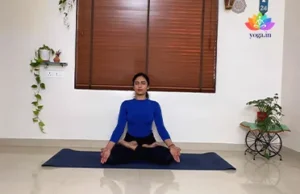
Padmasana (Lotus Pose)
The Sanskrit name is derived from Padma (पद्मा) meaning lotus and āsana (आसन) meaning "posture" or…
Explore →
Gentle yoga poses that ease the chest and support lung recovery, alongside your doctor's advice.
Browse All Poses
The Sanskrit name is derived from Padma (पद्मा) meaning lotus and āsana (आसन) meaning "posture" or…
Explore →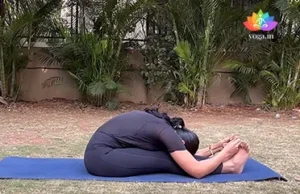
The Sanskrit name is derived from three sanskrit words: Paschima (पश्चिमा) meaning west or back of…
Explore →
Pincha Mayurasana (पिञ्छ मयूरासन)
The Sanskrit name is derived from Pincha (पिंच) meaning feathered, Mayur (मयूर) meaning peacock and asana…
Explore →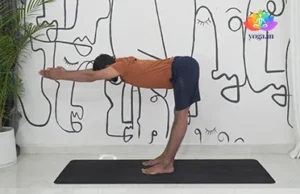
The Sanskrit name is derived from Sama (समा) meaning straight, Kona meaning angle (कोणा) and asana…
Explore →
The Sanskrit name is derived from Śhava (शव) meaning "corpse" and āsana (आसन) meaning "posture" or…
Explore →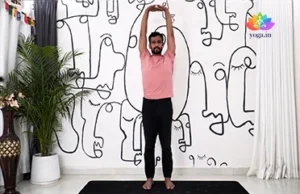
The sanskrit name is derived from tada (ताड़ा) meaning mountain and āsana (आसन) meaning posture or…
Explore →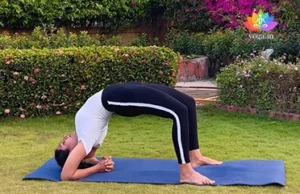
The Sanskrit name is derived from Viparita (विपरिता) meaning inverted, Danda (दण्डा) meaning staff and asana…
Explore →
वीरासन
This page explains virasana, the Hero Pose, for learners searching how to practise this kneeling seat…
Explore →Yoga poses for lung infection are gentle moves for the recovery stage. They open the chest, ease breathing and restore energy. They are not a treatment. This page lists safe poses by level, practice tips and warning signs. It does not replace medical care.
Understanding the Category
A lung infection, such as bronchitis or pneumonia, inflames the airways or lung tissue. These poses help only during recovery, once your doctor agrees. They open the chest, ease breathing effort and rebuild stamina. They do not treat the infection.
Why Practice
Suitability
Contraindications
Safety Note: Always consult a qualified yoga teacher and your healthcare provider before practising if you have existing medical conditions, injuries, or are pregnant.
By Level
By Level
By Level
Anatomy
Practice Tips
Common Questions
No. Yoga cannot treat a lung infection. Antibiotics or other medical care may be needed. Gentle poses may help you regain breathing ease and energy once your doctor agrees.
Start when the fever has gone, you feel steady and your doctor agrees. Begin with rest poses and slow breathing. Add more only if your breath stays easy.
Savasana, Supta Baddha Konasana, Sukhasana and Marjariasana are gentle and open the chest without strain. Add Setubandhasana and Matsyasana with support when you feel stronger.
Avoid deep backbends, long breath holds, hot yoga and inversions. Skip fast, strong sequences. Stop if your cough grows, your breath feels short or you feel dizzy.
Practice 10 to 15 minutes, once or twice a day. Short, gentle sessions work best. Rest often and build up slowly as your energy returns.
Get urgent help for chest pain, trouble breathing, blue lips, confusion or a high fever. See a doctor if a cough lasts several weeks. Yoga does not replace care.
Keep Exploring
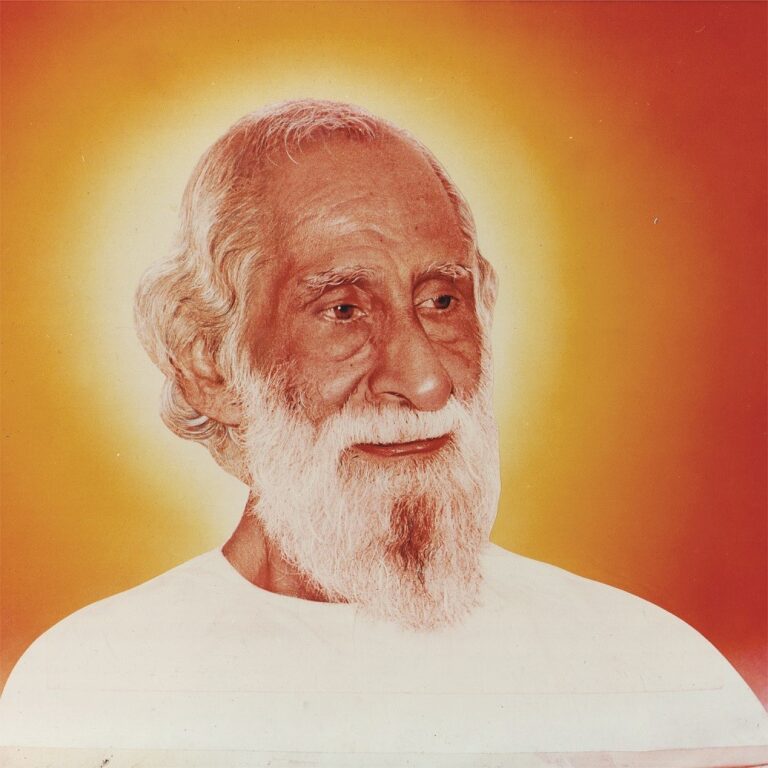
Shri Yogendra Ji, Founder, The Yoga Institute. Photo Credit: The Yoga Institute. It is my satisfaction that instead of passing…
Read Article →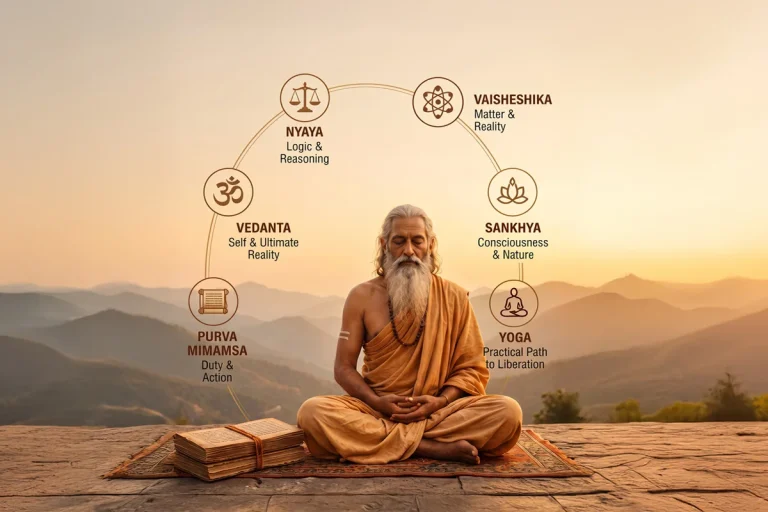
When the word yoga comes to mind, one often thinks of asanas, pranayama, or meditation. However, it’s essential to remember…
Read Article →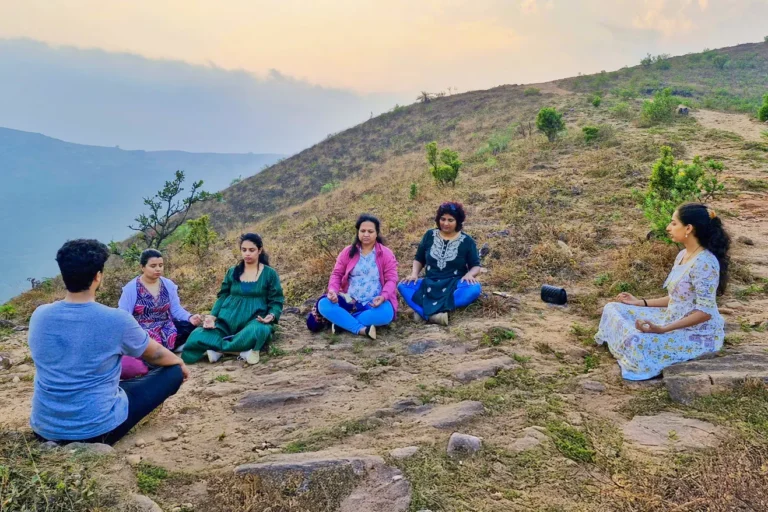
Can a 3-day, 2-night Yoga retreat truly transform a person's life? And if not, would it at least inspire them…
Read Article →
In Lubomir Ondračka’s essay about the system of Hathayoga, he takes us through its up and down history, tracking this…
Read Article →
Coming down from ancient practices with deep roots, yoga carries a wide range of health benefits, which are increasingly known.…
Read Article →Please login with social account to support this post.