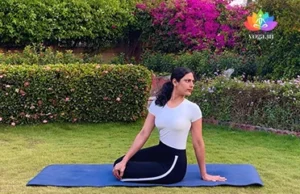
Bharadvajasana (Seated Spinal Twist)
The Sanskrit name is derived from Bhardvaja (भरद्वाज) means bringing about nourishment and asana (आसन) meaning…
Explore →
Gentle yoga poses that open the chest and lengthen the spine, alongside your doctor's advice.
Browse All Poses
The Sanskrit name is derived from Bhardvaja (भरद्वाज) means bringing about nourishment and asana (आसन) meaning…
Explore →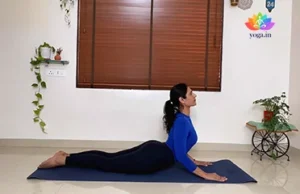
भुजङ्गासन
The Sanskrit name is derived from Bhujanga (भुजंगा) meaning cobra or snake and āsana (आसन) meaning…
Explore →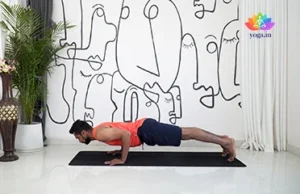
The Sanskrit name is derived from Chatur (चतुर) meaning four, Anga (अङ्ग) meaning limb, Danda (दण्डा)…
Explore →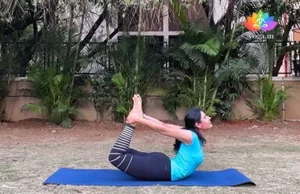
धनुरासन
Dhanurasana — Bow Pose — is a foundational prone backbend in which the practitioner lies face-down,…
Explore →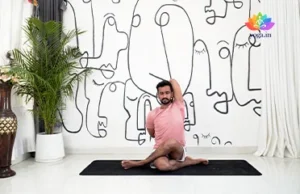
The Sanskrit name is derived from Gau (गो) meaning cow, Mukh meaning face and asana (आसन)…
Explore →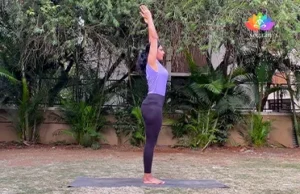
The sanskrit name is derived from hasta (हस्त) means hands, pada (पदा) means foot and asana…
Explore →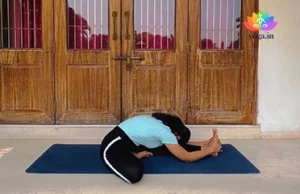
The Sanskrit name is derived from (जानु) Janu means knee, Sirsa (शीर्षा) means head and asana…
Explore →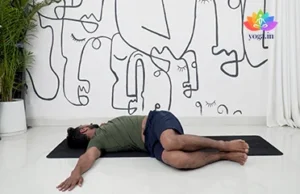
The Sanskrit name is derived from Jathara (ञठर) meaning belly or abdomen, Parivarta (परिवर्त) meaning revolving…
Explore →Yoga poses for kyphosis and a rounded back are gentle moves that open the chest and strengthen the upper back. Yoga cannot fix a severe spinal curve. This page lists safe poses by level, practice tips and warning signs. It does not replace medical care.
Understanding the Category
Kyphosis is a forward curve of the upper spine. A rounded back often comes from tight chest muscles and weak back muscles. These poses stretch the chest and strengthen the upper back. They do not change a fixed spinal curve.
Why Practice
Suitability
Contraindications
Safety Note: Always consult a qualified yoga teacher and your healthcare provider before practising if you have existing medical conditions, injuries, or are pregnant.
By Level
By Level
By Level
Anatomy
Practice Tips
Common Questions
Yoga cannot correct a fixed spinal curve. It may improve posture by stretching the chest and strengthening the upper back. Ask your doctor about any severe or fast growing curve.
Yes, gentle yoga can help a rounded back from poor posture. It opens the chest, builds back strength and trains tall sitting and standing. Stay within pain free limits.
Tadasana, Marjariasana, Setubandhasana and Supta Baddha Konasana are gentle starting points. Add Bhujangasana and Salabhasana when your upper back feels strong and steady.
Avoid deep forward folds and forced twists if you have osteoporosis or a stiff spine. Skip deep backbends until you are ready. Never force the spine, and stop if pain grows.
Practice 10 to 20 minutes, most days. Short, gentle sessions work better than long ones. Add shoulder rolls and breaks from sitting through the day.
See a doctor for a curve that grows, sharp back pain, numbness, leg weakness or trouble breathing. Get help if back pain lasts several weeks. Yoga does not replace care.
Keep Exploring
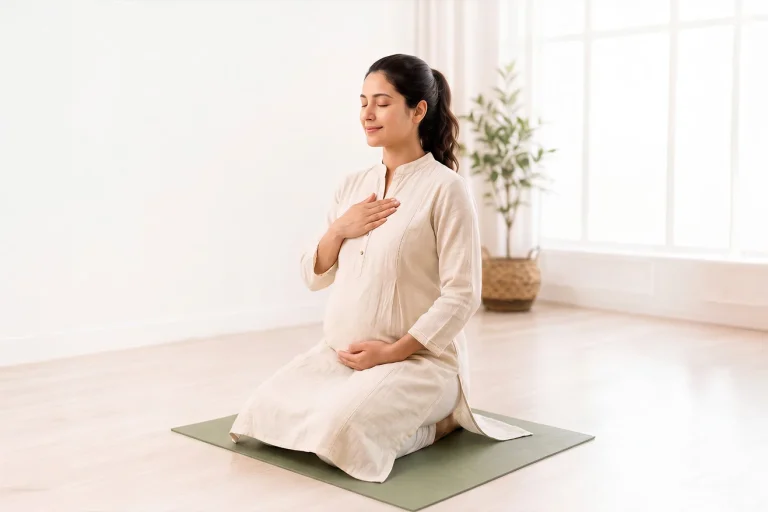
Pregnancy is one of the most beautiful and transformative phases in a woman’s life, but it can also bring physical…
Read Article →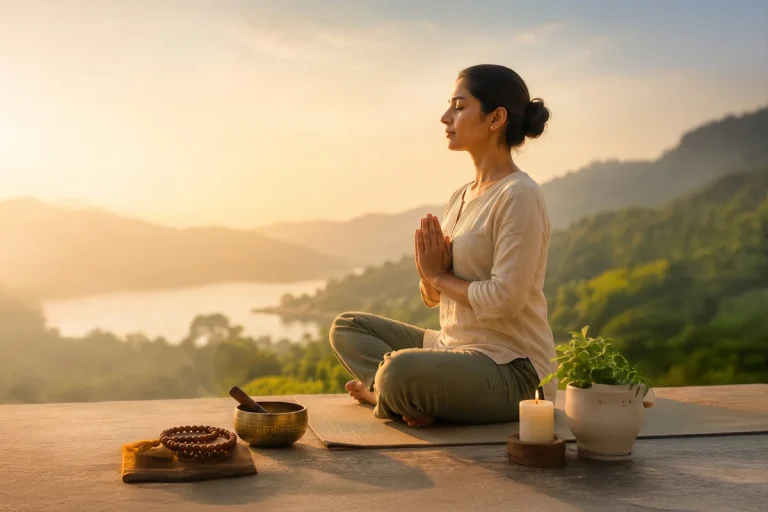
Om is the whole of this universe. All that was, all that is, and all that will be is Om.- Mandukya…
Read Article →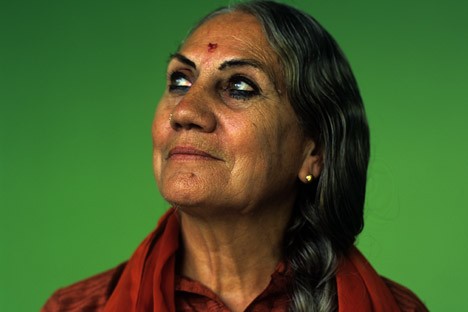
[gallery ids="3276,3275,3274,3273" type="slideshow"] DR. ANANDA BALAYOGI BHAVANANI “Science and spirituality are met at Ananda Ashram, convincing even the most difficult…
Read Article →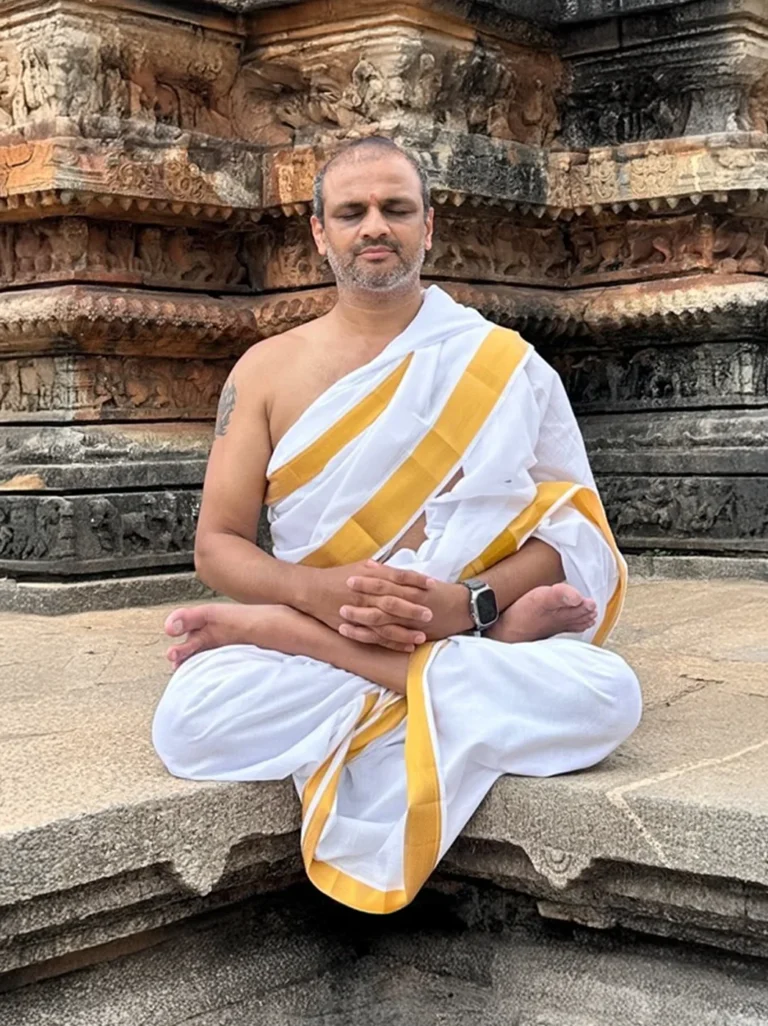
An Inspiring Journey of Dedication, Tradition, and Global Influence In the vast realm of yoga, a few names resonate as…
Read Article →Please login with social account to support this post.