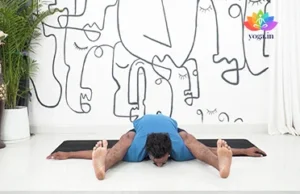
Kurmasana (Tortoise Pose)
The Sanskrit name is derived from Kurma (कूर्मा) meaning tortoise and asana (आसन) meaning posture or…
Explore →
Yoga poses for knee pain mean gentle, low strain moves that build leg support, alongside your doctor's advice.
Browse All Poses
The Sanskrit name is derived from Kurma (कूर्मा) meaning tortoise and asana (आसन) meaning posture or…
Explore →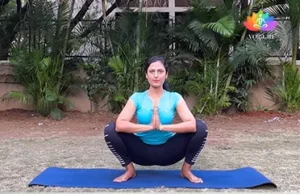
The Sanskrit name is derived from Mala (माला) means garland or rosary and āsana (आसन) meaning…
Explore →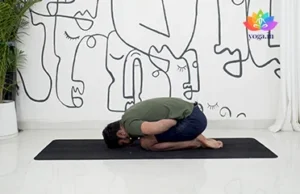
The Sanskrit name is derived from Manduka (मण्डुका) meaning frog and asana (आसन) meaning posture or…
Explore →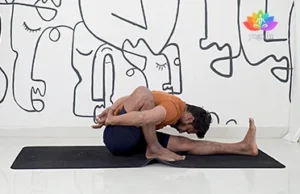
The Sanskrit name is derived from Marichya (मरीच्) meaning ray of light and asana (आसन) meaning…
Explore →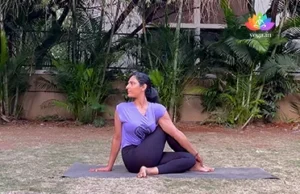
The name Matsyendrasana is derived from the Sanskrit words Matsya (मत्स्य) meaning fish, Indra (इन्द्र) meaning…
Explore →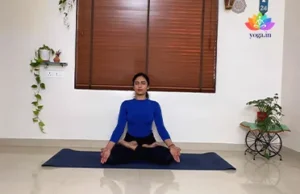
The Sanskrit name is derived from Padma (पद्मा) meaning lotus and āsana (आसन) meaning "posture" or…
Explore →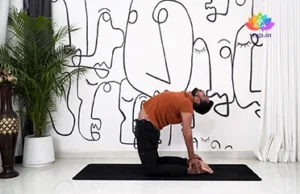
The Sanskrit name is derived from Ushtra (उष्ट्रासनI) meaning camel and Asana (आसन) meaning a pose.
Explore →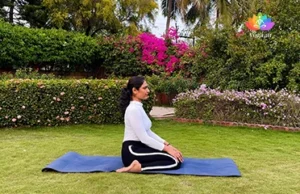
वीरासन
This page explains virasana, the Hero Pose, for learners searching how to practise this kneeling seat…
Explore →Yoga poses for knee pain are gentle moves that support the knee joint and the muscles around it. They build leg strength and ease stiffness. This page lists safe poses by level, practice tips and warning signs. It does not replace medical care.
Understanding the Category
The knee is a hinge joint. The thigh and calf muscles protect it. These poses strengthen those muscles and keep the joint moving. They do not repair torn cartilage or ligaments.
Why Practice
Suitability
Contraindications
Safety Note: Always consult a qualified yoga teacher and your healthcare provider before practising if you have existing medical conditions, injuries, or are pregnant.
By Level
By Level
By Level
Anatomy
Practice Tips
Common Questions
Yes, gentle yoga can help. It builds the muscles that support the knee and keeps the joint moving. Stay within pain free limits and check with your doctor first.
Tadasana, Supta Padangusthasana, Setubandhasana and Viparita Karani load the knee very little. Add standing poses such as Virabhadrasana II when your knees feel steady.
Avoid deep knee bends such as Virasana and Padmasana, and deep squats. They can strain the joint. Never force the knee, and skip any pose that causes sharp pain.
Hold each pose for 15 to 30 seconds. Keep your breath smooth. Rest between poses and stop if the knee pain grows.
Gentle yoga may ease stiffness and build leg strength in people with knee arthritis. It does not reverse joint wear. Ask your doctor which poses suit you.
See a doctor for a swollen, hot or locked knee, a giving way feeling, or pain after a fall. Get help if pain lasts several weeks. Yoga does not replace care.
Keep Exploring

Best Time to Visit Rishikesh Rishikesh is an experience, not a mere tourist destination. With magnificent mountains of the Himalayas…
Read Article →
India, the birthplace of yoga, has become one of the most sought-after global destinations for those wishing to learn, practice,…
Read Article →
As the New Year approaches, we participate in the Great Resolution Ritual. We look in the mirror, see everything we…
Read Article →Please login with social account to support this post.