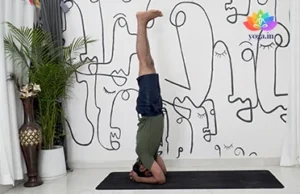
Sirsasana (Headstand)
The Sanskrit name is derived from Sirsa (शीर्ष) meaning head and asana (आसन) meaning posture or…
Explore →
Gentle yoga poses that ease belly tension and rebuild energy, once your doctor says you are recovering.
Browse All Poses
The Sanskrit name is derived from Sirsa (शीर्ष) meaning head and asana (आसन) meaning posture or…
Explore →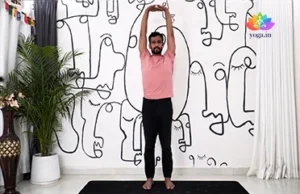
The sanskrit name is derived from tada (ताड़ा) meaning mountain and āsana (आसन) meaning posture or…
Explore →
The sanskrit name is derived from three Sanskrit Words: Tri (त्रि) meaning three, Kona (कोणा) meaning…
Explore →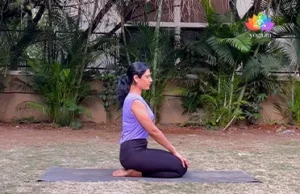
The sanskrit term Vajra (वज्र) meaning thunderbolt and asana (आसन) meaning posture or seat.
Explore →Yoga poses for intestinal infection are gentle recovery moves that ease belly tension and rebuild energy. They do not treat infection. This page lists safe poses by level, practice tips and warning signs. It does not replace medical care.
Understanding the Category
An intestinal infection, often called gastroenteritis, causes diarrhea, cramps, nausea or fever. Rest, fluids and medical care come first. These poses are for the recovery stage. They relax the belly, calm the breath and rebuild strength slowly.Rest: Savasana and Supta Baddha Konasana relax the belly and breath.Settle: Sukhasana and Vajrasana give a calm, steady seat.Release: Pavanamuktasana eases gas and cramping gently.Sequence: start lying down. Add standing poses when your energy returns.
Why Practice
Suitability
Contraindications
By Level
By Level
By Level
Anatomy
Practice Tips
Common Questions
No. Yoga cannot treat an intestinal infection. Rest, fluids and medical care come first. Gentle poses may help you relax and rebuild energy once you are recovering.
Wait until you can keep fluids down, the fever has gone and your doctor agrees. Start with lying poses and slow breathing. Add more only if your belly stays calm.
Savasana, Supta Baddha Konasana, Sukhasana and Vajrasana are gentle and keep the belly soft. Add Pavanamuktasana and Tadasana as your energy returns.
Avoid deep twists, belly squeezing, inversions and hot yoga. Do not practice on a full stomach or when dehydrated. Stop at once if cramps or nausea return.
Practice 5 to 10 minutes, once or twice a day at first. Short, gentle sessions work best. Drink water and build up slowly.
Get urgent help for blood in stool, severe belly pain, high fever or signs of dehydration. See a doctor if diarrhea lasts more than a few days. Yoga does not replace care.
Please login with social account to support this post.