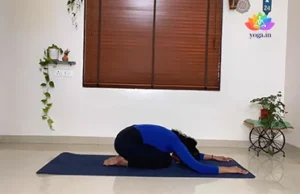
Balasana (Child’s Pose)
The Sanskrit name is derived from Bala (बाला) meaning child and āsana (आसन) meaning posture or…
Explore →
Gentle yoga poses that build steady energy and ease dizziness, alongside your doctor's advice.
Browse All Poses
The Sanskrit name is derived from Bala (बाला) meaning child and āsana (आसन) meaning posture or…
Explore →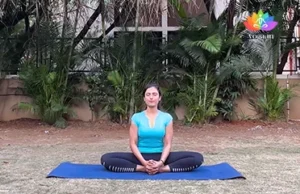
The Sanskrit name is derived from Bhadra (भद्रा) meaning gracious, auspicious or blessed and āsana (आसन)…
Explore →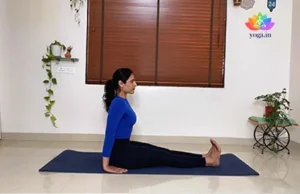
The Sanskrit name is derived from Danda (दण्डा) meaning stick and āsana (आसन) meaning posture or…
Explore →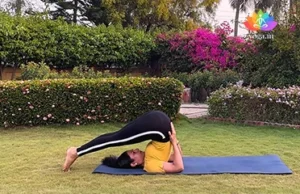
The Sanskrit name is derived from Hala (हला) meaning plough and asana (आसन) meaning posture or…
Explore →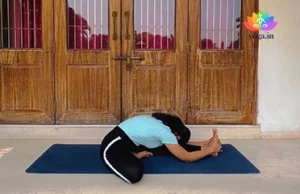
The Sanskrit name is derived from (जानु) Janu means knee, Sirsa (शीर्षा) means head and asana…
Explore →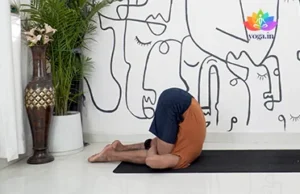
The Sanskrit name is derived from Karna (कर्ण) meaning ear, Pida (पीडा) meaning pressure and asana…
Explore →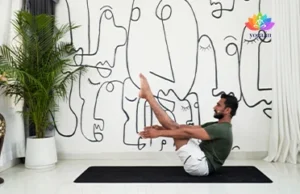
The Sanskrit name is derived from Nava ( नाव) meaning boat and asana (आसन) meaning posture…
Explore →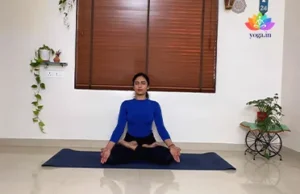
The Sanskrit name is derived from Padma (पद्मा) meaning lotus and āsana (आसन) meaning "posture" or…
Explore →Yoga poses for hypotension are gentle moves that build steady energy and support healthy circulation. They may help you move with less dizziness. This page lists safe poses by level, practice tips and warning signs. It does not replace medical care.
Understanding the Category
Hypotension means low blood pressure. It can cause dizziness, tiredness or fainting, especially when you stand up fast. These poses build leg strength and steady breathing. They use slow changes of position to avoid dizzy spells.Rest: Savasana and Viparita Karani support circulation with the body lying down.Open: Setubandhasana and Bhujangasana gently lift and open the chest.Stand: Tadasana and Virabhadrasana II build strong legs that help blood return.Sequence: change position slowly. Add standing poses when you feel steady.
Why Practice
Suitability
Contraindications
By Level
By Level
By Level
Anatomy
Practice Tips
Common Questions
Yoga cannot cure low blood pressure. Gentle poses may build leg strength and steady circulation, which can ease dizzy spells. Ask your doctor about the cause of low readings.
Gentle yoga is often fine, but ask your doctor first. Move slowly between poses and rise in stages. Drink water and stop if you feel dizzy or faint.
Savasana, Viparita Karani, Supta Baddha Konasana and Sukhasana are gentle and steady. Add Tadasana and Setubandhasana when you feel strong. Keep a wall close.
Avoid rising fast, long head down poses, hot yoga and long still standing. Skip fast, strong sequences. Stop at once if you feel dizzy, faint or short of breath.
Practice 10 to 20 minutes, most days. Short, gentle sessions work best. Drink water and eat regular meals.
Get urgent help for fainting, chest pain, confusion or trouble breathing. See a doctor if dizzy spells keep returning. Yoga does not replace care.
Please login with social account to support this post.