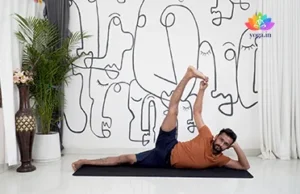
Anantasana (Sleeping Vishnu Pose)
The Sanskrit name is derived from Ananta (अनन्त) meaning without end or the infinite one and…
Explore →
Gentle yoga poses that calm the body and support heart healthy habits, alongside your doctor's advice.
Browse All Poses
The Sanskrit name is derived from Ananta (अनन्त) meaning without end or the infinite one and…
Explore →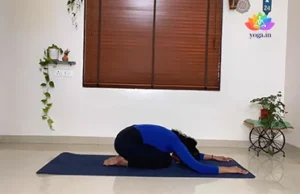
The Sanskrit name is derived from Bala (बाला) meaning child and āsana (आसन) meaning posture or…
Explore →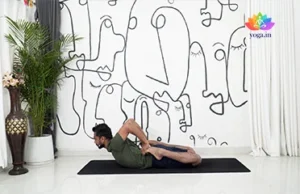
The Sanskrit name is derived from Bheka (भेका) meaning frog and asana (आसन) meaning posture or…
Explore →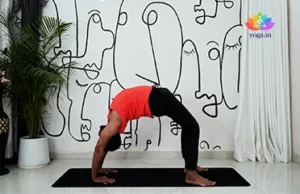
The Sanskrit name is derived from Chakra (चक्रा) means wheel and asana (आसन) meaning posture or…
Explore →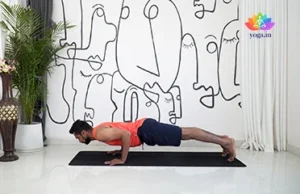
The Sanskrit name is derived from Chatur (चतुर) meaning four, Anga (अङ्ग) meaning limb, Danda (दण्डा)…
Explore →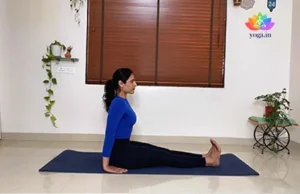
The Sanskrit name is derived from Danda (दण्डा) meaning stick and āsana (आसन) meaning posture or…
Explore →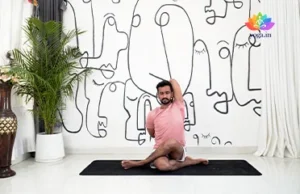
The Sanskrit name is derived from Gau (गो) meaning cow, Mukh meaning face and asana (आसन)…
Explore →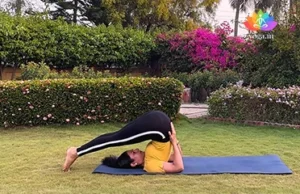
The Sanskrit name is derived from Hala (हला) meaning plough and asana (आसन) meaning posture or…
Explore →Yoga poses for hypertension are gentle moves that calm the body, slow the breath and ease stress. They may support healthy blood pressure. They do not replace medicine. This page lists safe poses by level, practice tips and warning signs. It does not replace medical care.
Understanding the Category
Hypertension means high blood pressure. Stress, tight muscles and fast, shallow breathing can add to it. These poses are slow and keep the head above the heart. They calm the nervous system and train steady breathing.Rest: Savasana and Supta Baddha Konasana calm the body and breath.Open: Bhujangasana and Setubandhasana gently lift and open the chest.Stand: Tadasana and Virabhadrasana II build steady legs and an easy stance.Sequence: start with rest poses. Keep the head above the heart in every pose.
Why Practice
Suitability
Contraindications
By Level
By Level
By Level
Anatomy
Practice Tips
Common Questions
No. Yoga cannot cure high blood pressure or replace medicine. Gentle poses and slow breathing may help lower stress and support healthy readings. Keep taking your medicine as directed.
Gentle yoga is safe for many people with controlled blood pressure, but ask your doctor first. Keep the head above the heart and avoid breath holds. Stop if you feel dizzy.
Savasana, Supta Baddha Konasana, Sukhasana and Vajrasana calm the body and slow the breath. Add Tadasana and Bhujangasana when you feel steady.
Avoid inversions, long head down poses, breath holds, forceful breathing and hot yoga. Rise slowly from the floor. Stop at once if you get a headache or feel dizzy.
Practice 15 to 20 minutes, most days. Short, calm sessions work best. Add daily walking if your doctor agrees.
Get urgent help for severe headache, chest pain, blurred vision, confusion or trouble breathing. See a doctor if your readings stay high. Yoga does not replace care.
Please login with social account to support this post.