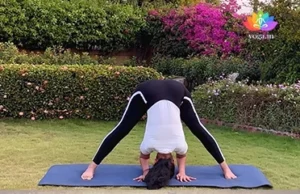
Prasaritta Padottanasana (Wide-Legged Forward Bend)
The Sanskrit name is derived from Prasārita (प्रसारित) meaning spread out or extended, Pada (पाद) meaning…
Explore →
Yoga poses for gastric reflux ease heartburn and support digestion. Gentle practice for all levels, away from mealtimes.
Browse All Poses
The Sanskrit name is derived from Prasārita (प्रसारित) meaning spread out or extended, Pada (पाद) meaning…
Explore →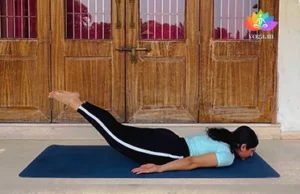
The Sanskrit name is derived from Shalabha (शलभा) meaning locust and āsana (आसन) meaning "posture" or…
Explore →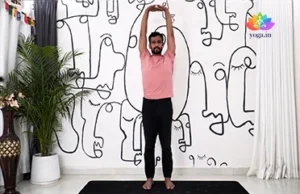
The sanskrit name is derived from tada (ताड़ा) meaning mountain and āsana (आसन) meaning posture or…
Explore →
The sanskrit name is derived from three Sanskrit Words: Tri (त्रि) meaning three, Kona (कोणा) meaning…
Explore →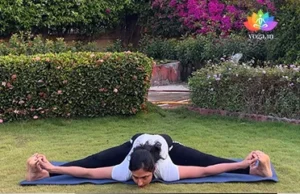
The Sanskrit name is derived from Upavistha (उपविष्ट) means open/seated, Kona (कोना) means angle and asana…
Explore →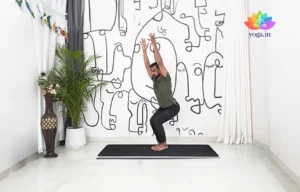
The Sanskrit name is derived from Utkata (उत्कटा) meaning “powerful” or “fierce” and āsana (आसन) meaning…
Explore →
The Sanskrit name is derived from Utthita (उत्थित) meaning "extended", Hasta (हस्त) meaning "hand", Pada (पद)…
Explore →
The Sanskrit name is derived from Vira (विरा) means hero, Bhadra (भद्रा )means friend and āsana…
Explore →Yoga poses for gastric reflux are gentle asanas that ease heartburn, calm the nervous system and support digestion without pressing on the stomach. This page lists 12 poses from beginner to advanced and explains which to choose and which to avoid.
Understanding the Category
Yoga poses for gastric reflux are asanas chosen to calm the stomach and lower esophageal area. They work in three ways:
Practise on an empty stomach, mid-session, and avoid full inversions and deep belly compression.
Why Practice
Suitability
Contraindications
Safety Note: Always consult a qualified yoga teacher and your healthcare provider before practising if you have existing medical conditions, injuries, or are pregnant.
By Level
By Level
By Level
Anatomy
Practice Tips
Common Questions
Yoga poses for gastric reflux are gentle asanas that ease heartburn, reduce stress and support digestion. They keep the chest above the stomach and avoid pressure on the belly. Vajrasana, Supta Baddha Konasana and gentle seated twists are common choices.
Vajrasana is the most useful, as it is the one pose you can practise after a light meal. Supta Baddha Konasana on a bolster calms the nervous system. Bharadvajasana, a gentle seated twist, supports digestion without pressing on the stomach.
Yes, if the wrong poses are chosen. Full inversions, deep forward folds and strong belly compression can push acid upward. Practise upright or reclined poses with the chest raised, and stop any pose that causes burning or sour taste.
Wait at least 3 hours after a full meal. Vajrasana is the only pose commonly practised after a light meal. Avoid twists, backbends and forward folds on a full stomach, as they can trigger heartburn.
No. Yoga is a complementary practice and does not replace medical treatment. Speak to your doctor about persistent reflux, trouble swallowing or chest pain. Use yoga alongside advice on food timing, weight and stress.
Practise gently most days for 20 to 30 minutes. Regular short sessions calm stress, a common reflux trigger. Choose a time well away from meals, such as early morning, and keep the pace slow and steady.
Keep Exploring

The pursuit of a vibrant, energetic day often begins with a solid morning routine. For millions globally, that routine includes Suryanamaskar, the…
Read Article →
Quick Summary Envision your stomach behaving like a cranky toddler—cramps, bloating, diarrhoea, and constipation at the most inconvenient moments. For…
Read Article →
As the New Year approaches, we participate in the Great Resolution Ritual. We look in the mirror, see everything we…
Read Article →Please login with social account to support this post.