
Pawanmuktasana (Therapy)
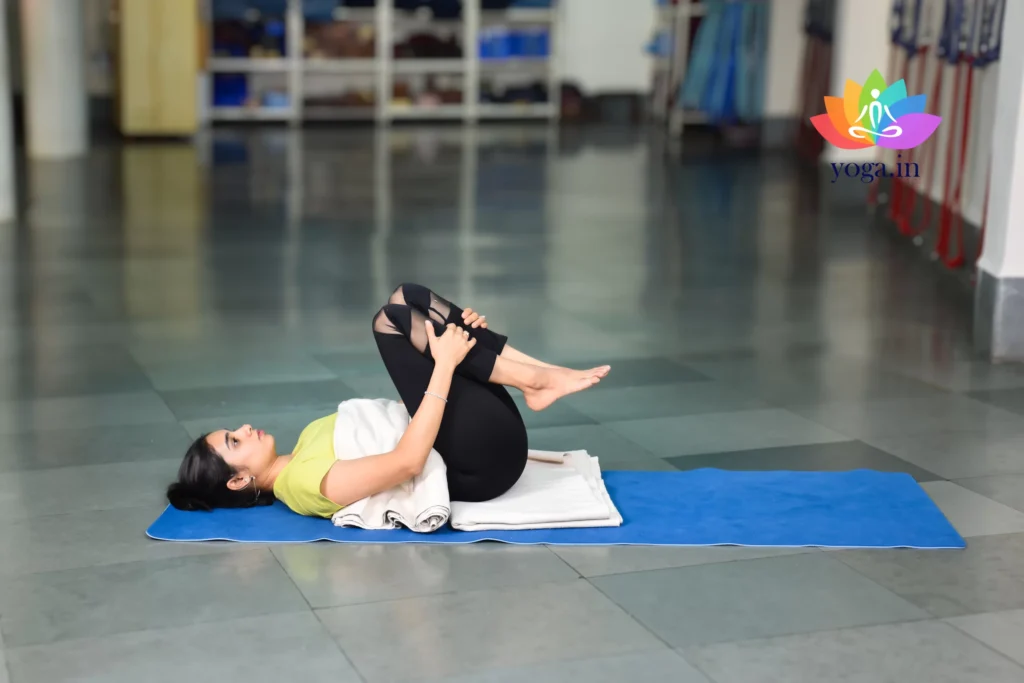
The Sanskrit name is derived from Pawan (पवन) meaning wind or gas, Mukta (मुक्त) meaning liberate and asana (आसन) meaning posture or seat.
Paschimottanasana (Therapy)
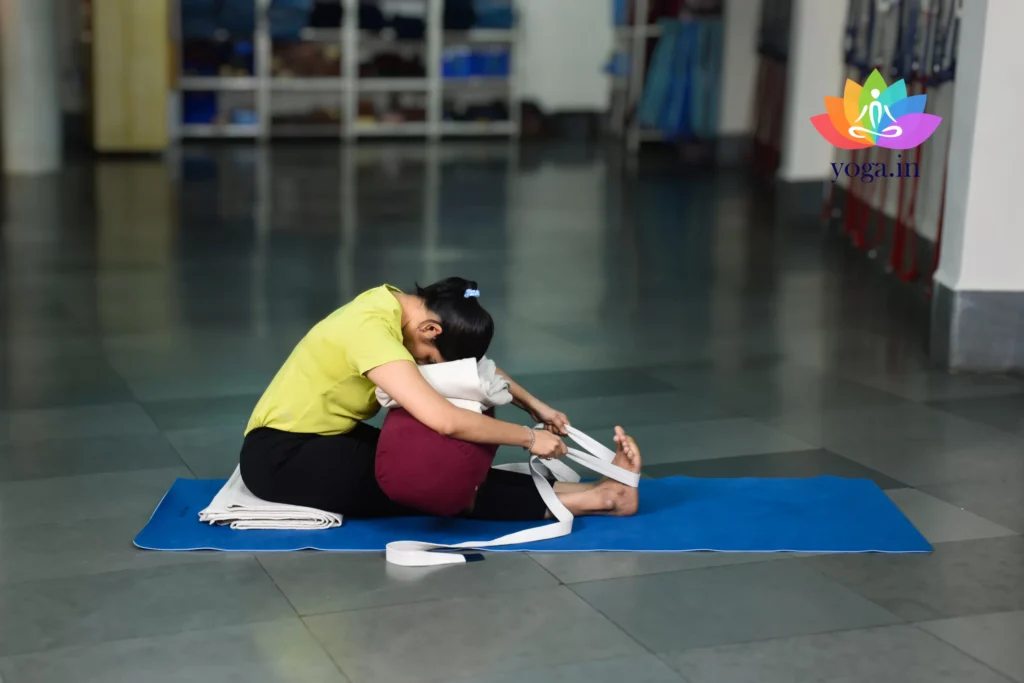
The Sanskrit name is derived from three Sanskrit words: Paschima (पश्चिमा) meaning west or back of the whole body from the head to heels, Uttan (उत्तान) meaning to stretch oneself upwards and asana (आसन) meaning posture or seat.
Paschim namaskarasana (Therapy)
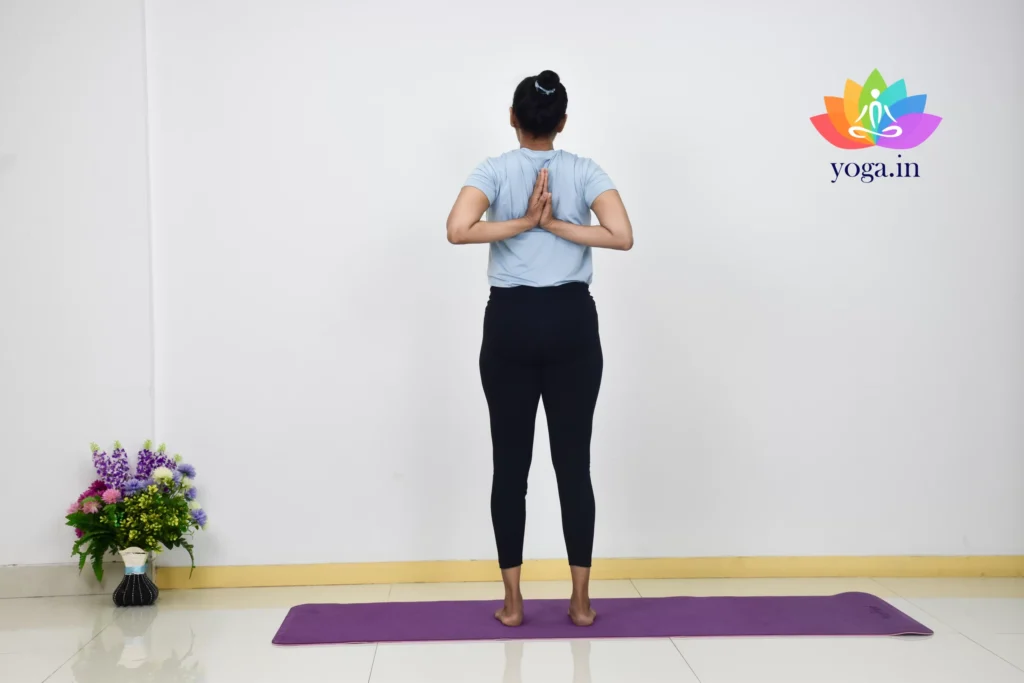
The name comes from the Sanskrit word “Paschim” meaning west, “Namaskar” meaning greeting and “asana” meaning pose.
Parshvottanasana (Therapy)
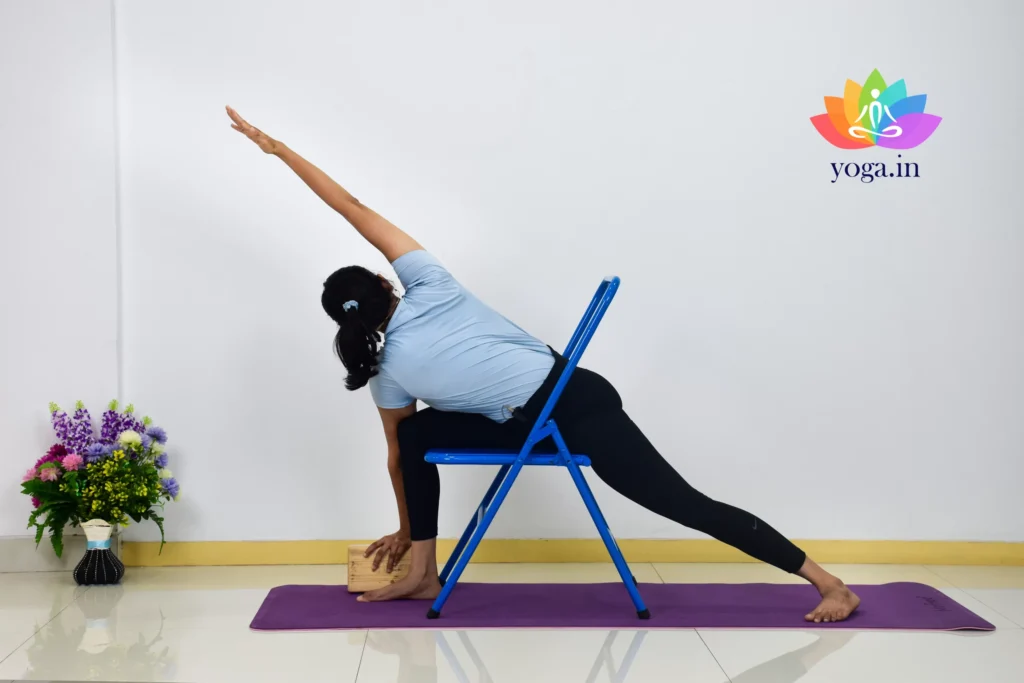
The name derives from the words “Parsva” means “side”, “Uttana” means “intense extend-stretch-lengthening”, and “Asana” means seat or pose.
Navasana (Therapy)
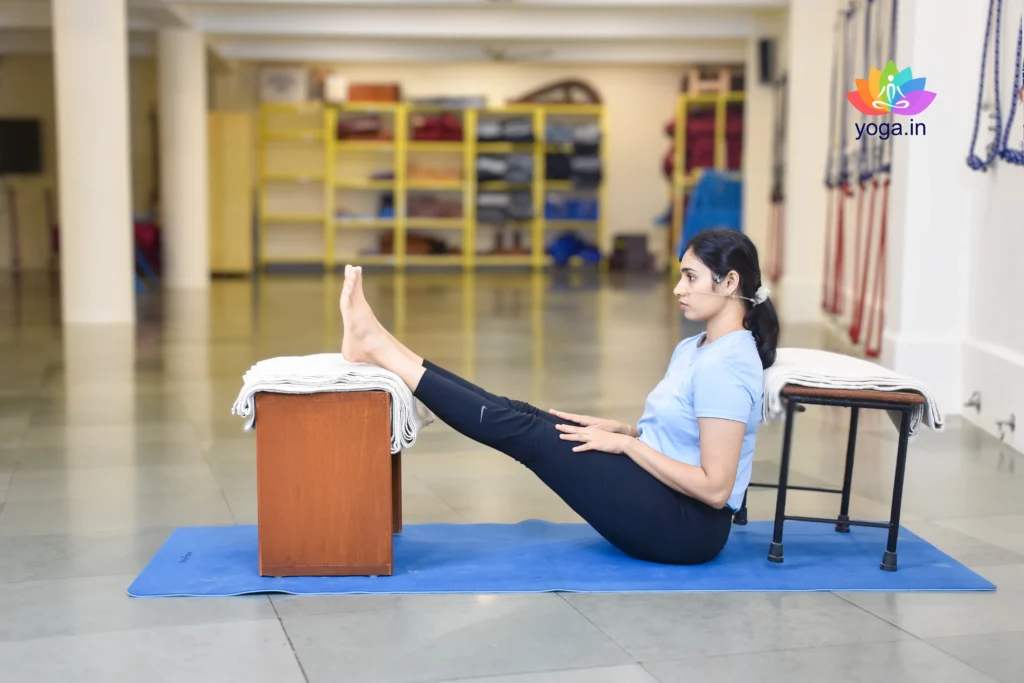
The Sanskrit name is derived from Nava (नाव) meaning boat and asana (आसन) meaning posture or seat.
Marichyasana 3 (Therapy)
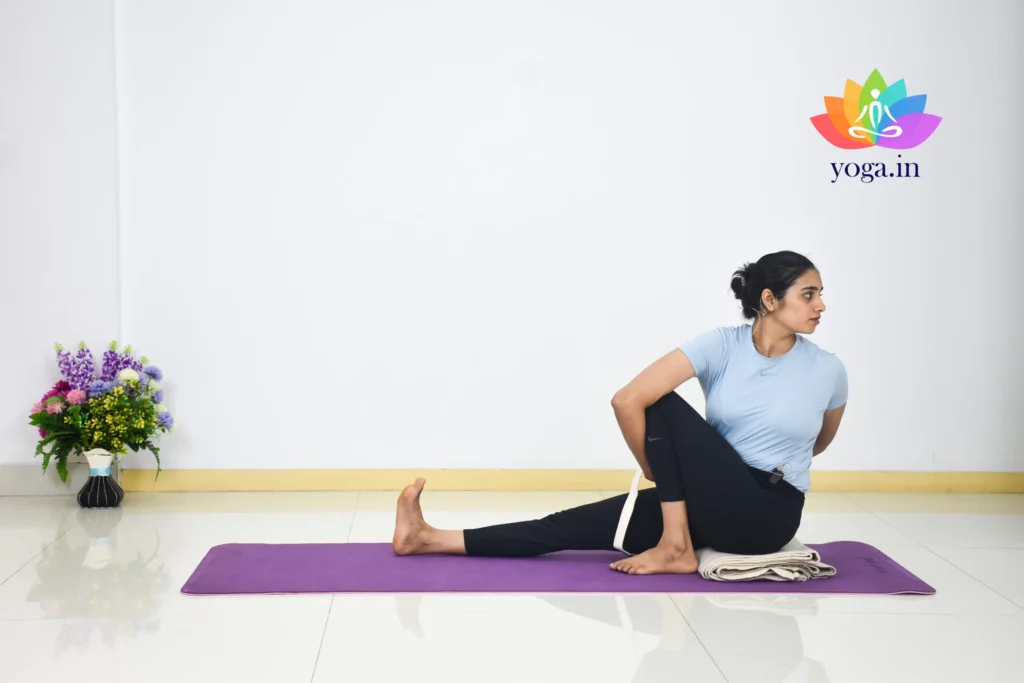
The Sanskrit name is derived from Marichya (मरीच्) meaning ray of light and asana (आसन) meaning posture or seat.
Jathara Parivartanasana (Therapy)
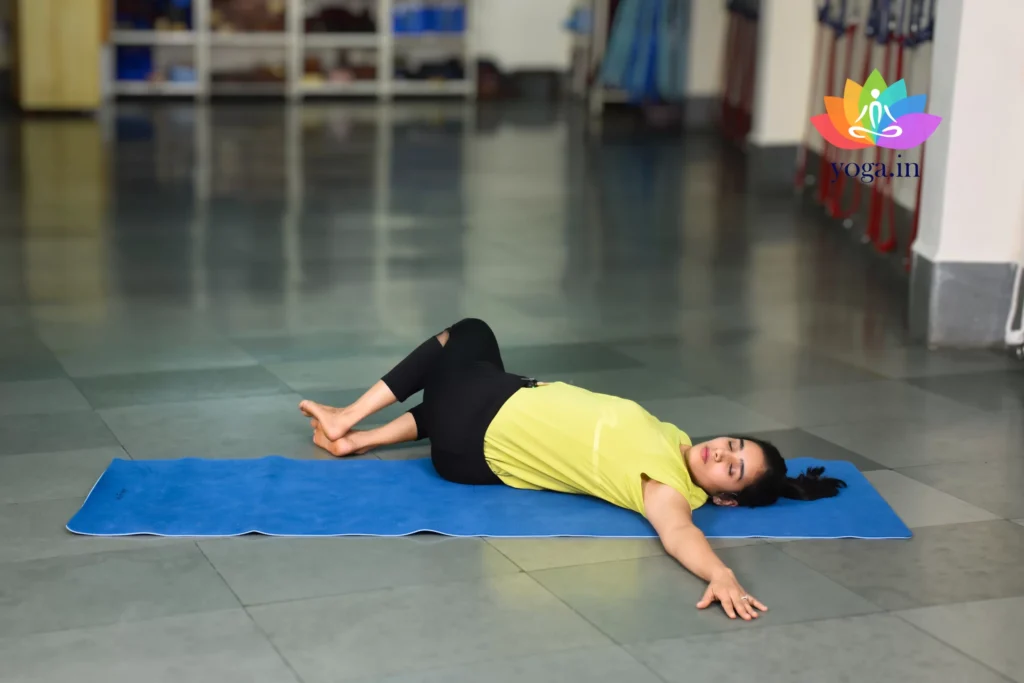
The Sanskrit name is derived from Jathara (ञठर) meaning belly or abdomen, Parivarta (परिवर्त) meaning revolving and asana (आसन) meaning posture or seat.
Janu sirsasana head support (Therapy)
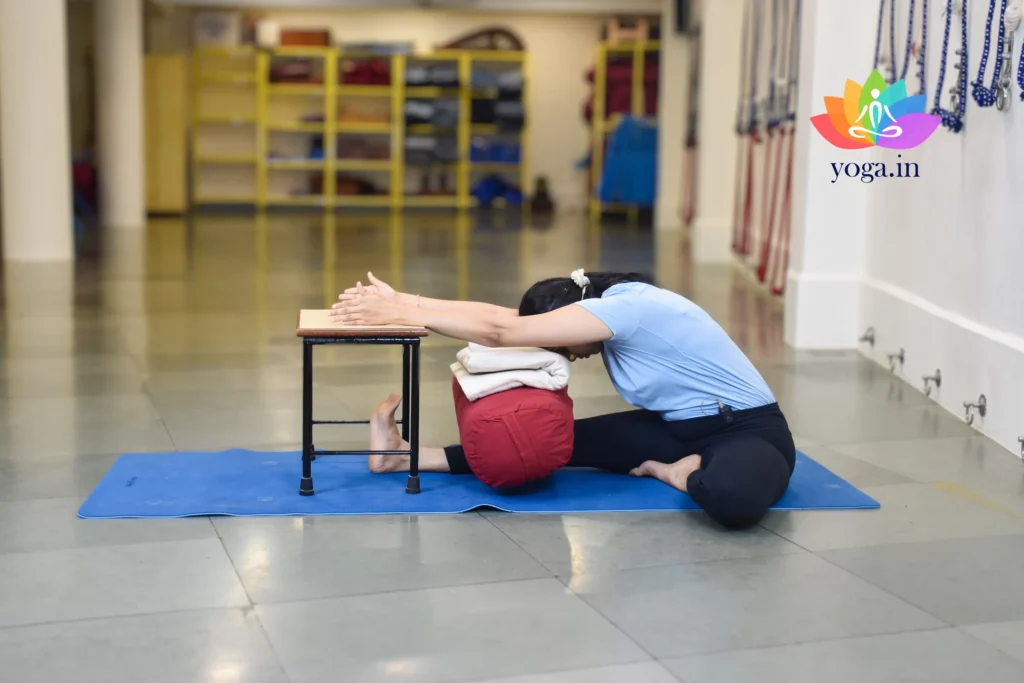
The Sanskrit name is derived from Janu (जानु) meaning knee, Sirsa (शीर्ष) meaning head and asana (आसन) meaning posture or seat.
Halasana (Therapy)
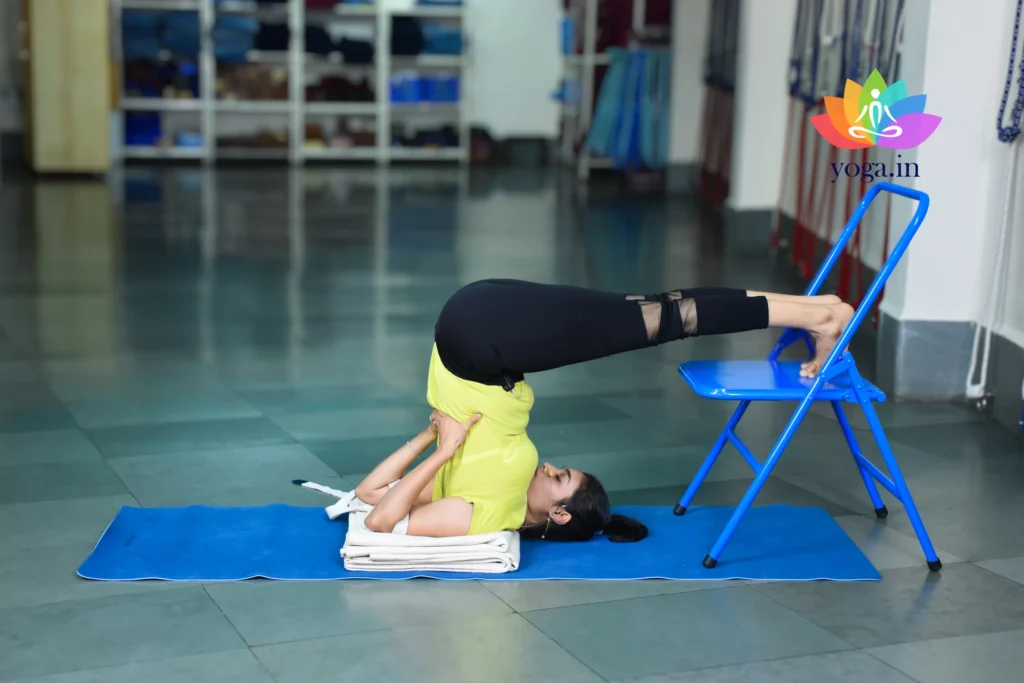
The Sanskrit name is derived from Hala (हला) meaning plow and asana (आसन) meaning posture or seat.
Gomukhasana (Therapy)
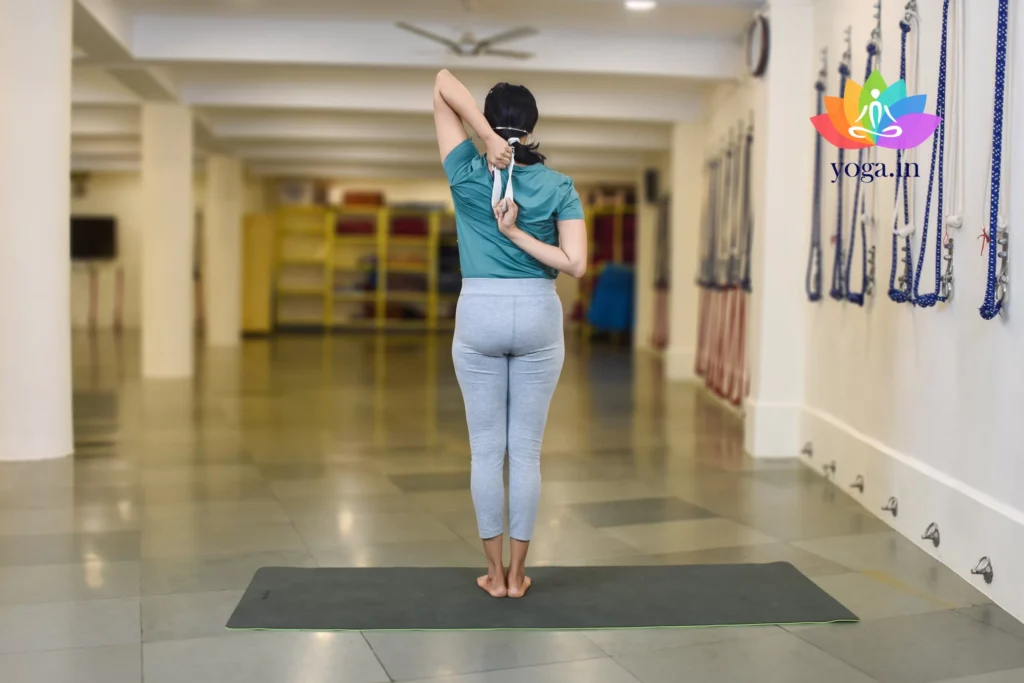
The Sanskrit name is derived from Gau (गो) meaning cow, Mukh meaning face and asana (आसन) meaning posture or seat.